IQ test for 6-year-olds
A free picture-puzzle IQ test made for 6-year-olds. It has 12 puzzles, takes about 12 minutes and compares your child only with other 6-year-olds. An IQ of 100 is the middle for this age; 110 to 119 is above average and 130 or more is very high. No name or email is needed.
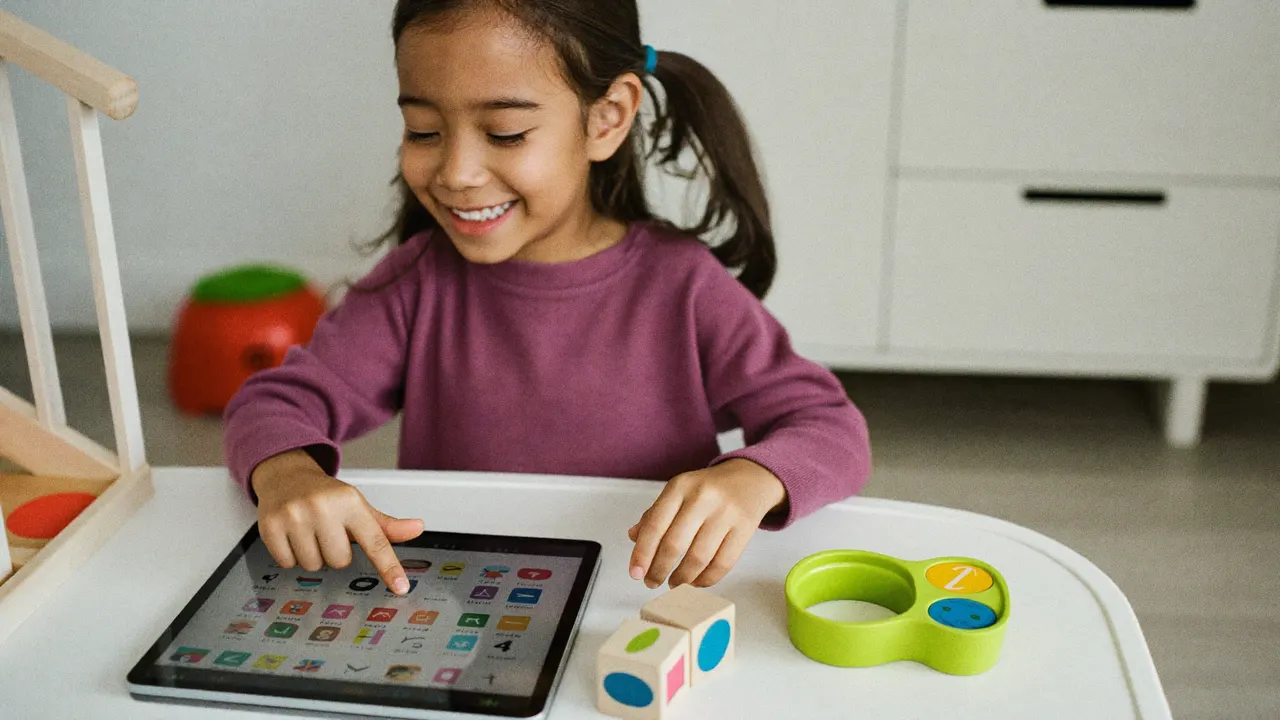
What to expect at 6
Six-year-olds often enjoy finding the odd one out. Choose a calm moment and a full battery: a hungry or tired child scores lower than they could.
School tests at this age
In the US, gifted screening often starts in kindergarten to 2nd grade with tests in NNAT or CogAT formats. In Turkey, BİLSEM selection starts in the first grades.
What is a good IQ for a 6-year-old?
For a 6-year-old, 90 to 109 is average, 110 to 119 is above average, 120 to 129 is high and 130 or more is very high (about 2 children in 100). Because the score is compared within the age, a 100 at age 6 means the same as a 100 at any other age.
| Score | What it means | Children with this score or higher |
|---|---|---|
| 130 and above | Very high | about 2 in 100 |
| 120 to 129 | High | about 9 in 100 |
| 110 to 119 | Above average | about 25 in 100 |
| 90 to 109 | Average | about half of all children score here |
| 80 to 89 | Below average | |
| below 80 | Low for this age, worth a calm talk with the school |
Parent report
After the free test you can open a parent report for $4.99: where your child stands among peers, which kinds of puzzles went well, and plain-language tips. One payment, refundable for 14 days.
Questions
How long does the test take for a 6-year-old?
About 12 minutes for 12 puzzles. There is one time limit for the whole test; speed does not change the score.
Can my 6-year-old take it alone?
Most children this age need a parent nearby to read the one-line instruction. Let the child tap the answers on their own.
Is the result a diagnosis?
No. It is an estimate of reasoning with picture puzzles, marked preliminary while our norms grow. For decisions about school, talk to the school or a school psychologist.